

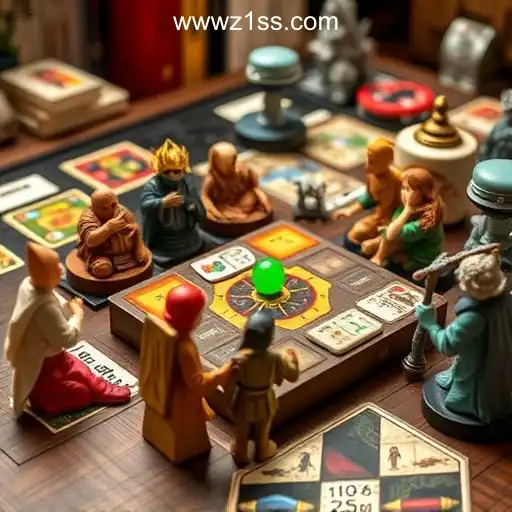
The Growing Popularity of Tabletop Games
In an era marked by the overwhelming presence of digital entertainment, the resurgence of tabletop games is intriguing. From traditional board games to intricate role-playing games, the tabletop industry has gained momentum among enthusiasts of all ages. This article delves into the allure of tabletop games, their history, and the ways they are capturing the interest of new generations.
History of Tabletop Games
Tabletop games have a rich and varied history dating back thousands of years. Early games such as Senet and Mancala were played by ancient civilizations long before the advent of modern board games. These ancient games laid the groundwork for the development of more complex tabletop games.
The growth of tabletop games surged dramatically in the 20th century with the introduction of classics like "Monopoly" and "Risk." These games paved the way for the creation of more sophisticated games, integrating strategy, chance, and various thematic elements. As players sought new experiences, they looked beyond traditional formats to more immersive and narrative-driven adventures.
The Rise of Role-Playing Games
The introduction of role-playing games, particularly "Dungeons & Dragons," revolutionized the tabletop scene in the 1970s. RPGs offered an unparalleled level of interaction, creativity, and storytelling. Players could immerse themselves in fictional worlds, assuming the roles of their characters, and shaping their narratives.
This expansion of the tabletop universe was made possible by a passionate community of creators and players. These groups thrived on intricate storytelling, strategy, and the communal experience of shared adventures. RPGs not only provided entertainment but also fostered friendships and helped develop imagination and problem-solving skills.
The Modern Tabletop Renaissance
Today, the world of tabletop games is experiencing a renaissance. The advent of the internet, crowdfunding, and social media platforms has allowed designers to reach wider audiences and gather support for innovative ideas.
Platforms like Kickstarter have become breeding grounds for new games that quickly attract backers, allowing independent creators to fund and produce a vast array of games. This has brought about a diversification in the genres and themes of tabletop games, appealing to a broad spectrum of players. From quick, party-centric games to intricate war games and cooperative storytelling experiences, the options are seemingly endless.
The Social Aspect of Tabletop Gaming
An important factor in the rise of tabletop games is the social experience they offer. In a world where digital interaction often replaces face-to-face communication, tabletop games provide a valuable alternative. Sitting around a table, players engage directly with one another, enhancing interpersonal skills and creating lasting memories.
This community-driven aspect extends beyond physical gatherings. Worldwide events and conventions such as Gen Con enable enthusiasts to come together, share their passion, and engage with industry professionals. Online resources and forums further connect players, facilitating discussions and the exchange of ideas anywhere in the world.
Educational and Cognitive Benefits
The benefits of tabletop gaming extend into educational and cognitive realms. Playing tabletop games requires strategic thinking, problem-solving, and decision-making, all of which can contribute to cognitive development.
Games often involve elements of mathematics, logic, and language skills. These aspects challenge players to think critically and adapt to evolving situations within the game. It is no surprise that educators are increasingly incorporating tabletop games into classroom settings to encourage learning through play. Through educational games, students can enhance their understanding of various subjects while developing vital social skills.
Tabletop Games in the Age of Technology
The impact of technology on the tabletop game industry brings both challenges and opportunities. Online platforms now allow people to play board games with others across the globe, eliminating geographical barriers. Meanwhile, augmented reality and virtual reality are beginning to blend with traditional tabletop gameplay, offering enhanced immersive experiences.
Nevertheless, the tactile aspect of physically handling components and the absence of screens are among the core reasons people continue to gravitate towards traditional tabletop experiences. These features allow players to disconnect from digital platforms and engage physically and socially with their surroundings.
Conclusion
The ongoing evolution of tabletop games underscores their enduring appeal. As new generations become enamored with tabletop gaming, this form of entertainment will likely continue to grow, reflecting an ever-expanding spectrum of creativity and human connectivity. Whether fans prefer classic games or cutting-edge experiences, the world of tabletop games offers something for everyone.
Exploring Brazilian Interests in Gaming
The gaming culture is undeniably strong in Brazil, with a vibrant community of players embracing diverse forms of gaming entertainment. Notably, the online casino scene is thriving here, marked by platforms like Z1SS.com. Offering a range of exciting options for enthusiasts seeking to combine luck with fun, these online casinos have become popular choices for players in Brazil.
As gamers continue to explore and enjoy new possibilities, the relationship between traditional games like tabletop experiences and modern casino games provides a fascinating insight into the dynamic world of gaming in contemporary Brazil.