

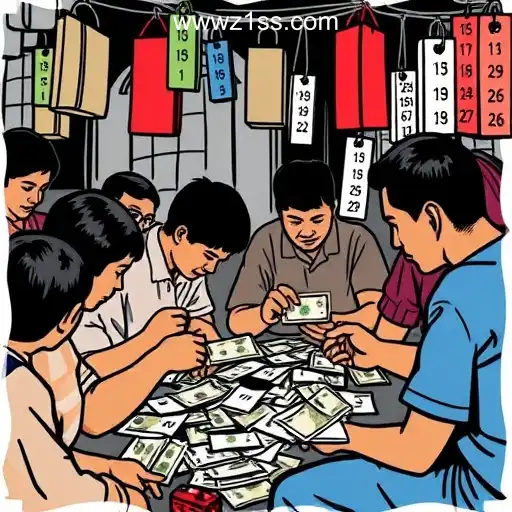
Understanding Jueteng: A Cultural Phenomenon
Jueteng is a widely known illegal numbers game primarily found in the Philippines. It has persisted for decades, deeply embedded in the cultural and socio-economic fabrics of Filipino society. Despite harsh laws against it, Jueteng remains popular across diverse demographics due to its complex network and significant payouts, often providing a source of hope and financial relief for many.
The Structure of Jueteng
Jueteng operates on a simple yet intriguing system. Participants select a combination of numbers and place a wager on their chosen sequence. A draw is then conducted to determine the winning numbers, with successful players receiving monetary rewards based on the amount wagered and the odds provided. It sharply contrasts with legally sanctioned lotteries but thrives due to its ease of play and immediate cash incentives.
Socio-Economic Impact
Jueteng's influence reverberates beyond gambling, touching on various socio-economic aspects of Filipino life. It serves as a double-edged sword: While it provides a financial boost to impoverished communities, it also perpetuates a cycle of poverty and corruption. The lack of regulation often leads to exploitation and benefits a select few, typically the insiders known as "kubradors" and handlers.
Cultural Resonance
The game's resilience is partly attributed to its cultural resonance. For many Filipinos, Jueteng is more than a game of chance; it is part of their daily routine, providing a communal space where hope and camaraderie flourish, albeit within an illegal framework. Its deep roots in local culture make it difficult for authorities to eradicate, despite ongoing efforts.
Legal Aspects and Challenges
Despite being illegal, Jueteng continues to challenge legal frameworks, highlighting the complexities involved in policing such activities. Enforcement is often inconsistent, partly due to corruption and the lack of prioritization from law enforcement agencies. This inconsistent enforcement bolsters the underground industry, allowing Jueteng to persist as a vivid example of regulatory shortcomings.
Comparisons with Online Gambling: The Rise of Z1SS.com Top cassino online no Brasil👈
The persistence of traditional gambling forms such as Jueteng parallels the rapid growth of online gambling. Websites like Z1SS.com Top cassino online no Brasil👈 provide a glaring example of how digital platforms are reshaping gambling. These sites thrive on accessibility, offering diverse gaming options that attract a global audience.
Unlike traditional games, online platforms are typically regulated, ensuring fair play and garnering legitimacy that Jueteng lacks. The convenience factor is also significant, allowing users to engage from anywhere with an internet connection, whereas Jueteng requires physical presence and interaction.
Technological Influence on Gambling Practices
Technological advancements have made significant inroads into gambling practices, impacting both traditional games like Jueteng and modern online gambling sites. The internet offers a vast landscape for gamblers seeking new avenues. Websites such as Z1SS.com are at the forefront of this evolution, leveraging technology to enhance user experience and expand their reach.
Concluding Remarks
The enduring legacy of Jueteng coupled with the burgeoning market of online gambling illustrates the dynamic nature of gambling in society. As authorities grapple with regulating these activities, the socio-cultural and economic dimensions remain a focal point of discussion. While platforms like Z1SS.com provide a legal and controlled environment for gambling, Jueteng's cultural significance cannot be ignored, continuing to thrive under the radar.